Should I put chlorine in my pool every day?
Wondering if you should add pool chlorine to your swimming pool every day? Discover expert tips on using pool chlorine, including chlorine tablets, granular, and liquid options. Learn how to maintain safe, clear water with the right swimming pool chlorine routine and keep your pool inviting all season long.
Sean Corey
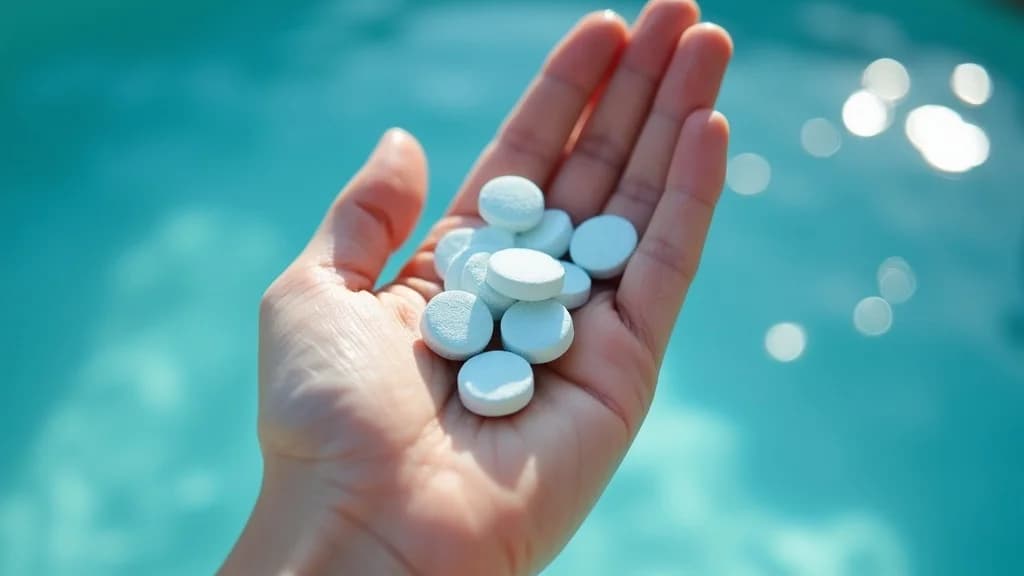
Imagine dipping your toes into a perfectly clear swimming pool on a sunlit day, the water sparkling blue and inviting. But behind this serene scene lies a simple daily question many pool owners face: Should you add pool chlorine to your pool every single day? In this service-focused guide, we’ll break down the essentials of pool chlorine, demystifying when and how to apply it, what affects chlorine needs, the different types you can use, and the best routines to keep your swimming pool safe, sanitary, and always swim-ready.
What You'll Learn About Pool Chlorine and Swimming Pool Care
The role of pool chlorine in maintaining pool water
Different types of chlorine tablets, liquid chlorine, and granular chlorine
Essential maintenance practices for keeping your swimming pool safe
Answers to common pool chlorine questions
Key takeaways for a clean and balanced swimming pool
Understanding Pool Chlorine: Why It’s Essential for Your Swimming Pool
The Function of Pool Chlorine in Pool Water Disinfection
Pool chlorine is the backbone of every clean and safe swimming pool. Without proper chlorination, your pool can quickly become a breeding ground for bacteria, algae, and viruses, turning crystal-clear water cloudy or green. Chlorine works as a powerful sanitizer, oxidizing and destroying organic contaminants introduced by swimmers, animals, and the environment. This not only keeps the pool water visually inviting but, more importantly, safe and healthy for all users. When chlorine is added to the water—regardless of whether in the form of chlorine tablets, liquid chlorine, or granular chlorine—it works by releasing hypochlorous acid. This chemical is highly effective at neutralizing most harmful microorganisms, making it a central step in everyday swimming pool care.
Pool owners commonly rely on different types of chlorine to maintain optimal water chemistry. While some might prefer the convenience of slow-release chlorine tablets, others might use liquid or granular forms for quick action, especially when higher chlorine levels are temporarily needed. Keeping your pool’s chlorine levels in the targeted range is essential—not only for water clarity but also to prevent swimmer discomfort or more serious waterborne illnesses. Failing to use pool chlorine at recommended times can result in fluctuating sanitizer levels, cloudiness, and rapid algae growth, especially in sun-exposed or high-usage pools.
Chlorine Tablets, Liquid Chlorine, and Granular Chlorine: Types of Chlorine Explained
Chlorine tablet options for consistent dosing
When to use liquid chlorine versus granular chlorine for pool shock
Choosing the right type of chlorine for your swimming pool
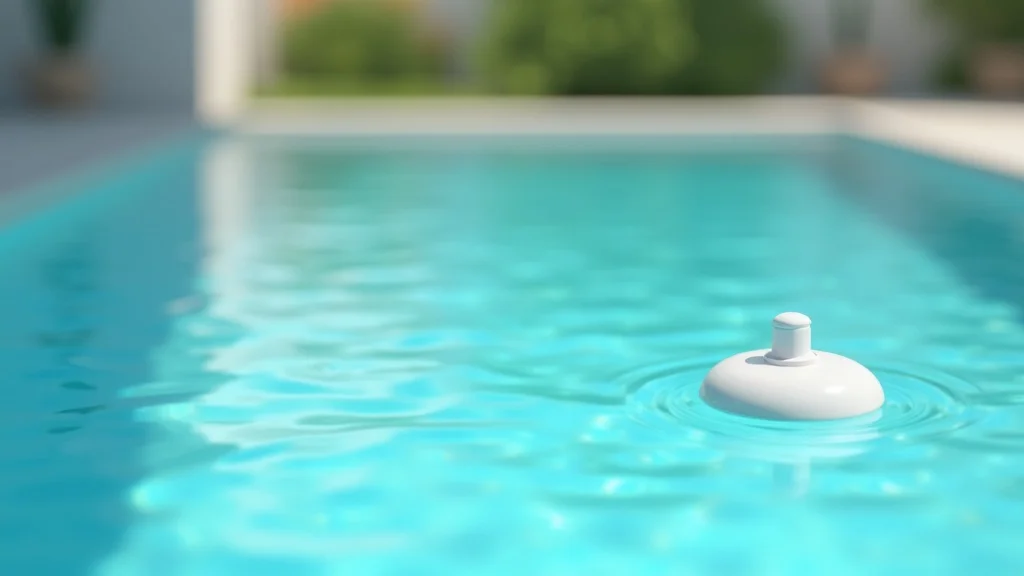
Chlorine tablets are popular because they dissolve slowly, providing a consistent source of free chlorine over several days. This slow delivery makes them ideal for everyday disinfection with little hassle. Liquid chlorine, often made from sodium hypochlorite, acts fast and is particularly useful after a pool shock or to deal with harmful bacteria spikes. Granular chlorine comes in both stabilized and unstabilized forms. It’s powerful for quick dosing but must be pre-dissolved before adding to prevent bleaching pool liners. Choosing between these types often depends on your maintenance routine, pool size, and how much time you can dedicate to your swimming pool care.
"Maintaining the right pool chlorine level is the cornerstone of safe, clear swimming pool water." – Certified Pool Operator
Should You Add Pool Chlorine to Your Swimming Pool Daily?
Observational Guide: Daily, Weekly, or As Needed?
Daily addition of pool chlorine isn’t a “one-size-fits-all” rule. The key is to balance your pool by keeping free chlorine levels in the optimal range—usually between 1–3 parts per million (ppm). Many pool owners use automated feeders or floating dispensers with chlorine tablets to maintain this steady supply. However, adding chlorine every day may only be necessary if you have heavy pool usage, high temperatures, or direct sunlight, all of which speed up chlorine consumption. Some swimming pools, especially those shaded or covered, can go several days between additions without dropping below the safe threshold.
A good practice is to test your pool water at least twice a week, increasing the frequency during peak swim season. Automated chlorine feeders provide the most consistent results, but manually adding chlorine is effective, especially with simple routine testing. Recognizing the signs of low chlorine—like cloudy water or hints of algae—can dictate if more frequent dosing is needed. Conversely, over-chlorination can cause strong odors or swimmer irritation, so precise testing and controlled additions are always best.
Factors That Affect Pool Chlorine Needs in Swimming Pools
Pool usage and sunlight exposure
Rainfall and organic debris
Water temperature and pool water chemistry
Several dynamic factors determine how often you should add pool chlorine. Swimming pool usage—such as the number of swimmers and the duration of use—can quickly deplete sanitizer levels. Sunlight, especially in uncovered pools, breaks down chlorine due to UV exposure, speeding up chlorine loss despite stabilized formulas (with cyanuric acid). Heavy rainfall or windstorms introduce organic debris, bacteria, and extra water, diluting chlorine concentration and requiring prompt rebalancing. Water temperature is also a crucial influence: the warmer your pool water, the faster chlorine dissipates and the more quickly microorganisms multiply.
Testing for pH levels and water balance helps anticipate chlorine fluctuations before issues arise. If your pool is in a hot, sunny, or high-traffic environment, you’ll likely need to dose chlorine more frequently. On quieter, shaded days, or if your pool has a cover, maintaining chlorine tablets in a dispenser and testing every few days may suffice. This approach ensures every swimming pool remains inviting and germ-free while avoiding chemical waste or risk to swimmers’ skin and eyes.
Frequency of Adding Pool Chlorine: Daily vs. Weekly vs. Shock Treatment | ||
Frequency | Purpose | Typical Chlorine Type |
|---|---|---|
Daily | Routine disinfection and maintenance | Chlorine tablets |
Weekly | Deep cleaning & pool shock | Liquid or granular chlorine |
As Needed | Heavy use or algae prevention | Pool shock treatments |
Types of Pool Chlorine: Making the Best Choice for Your Swimming Pool
Overview of Chlorine Tablets: Convenience and Control
Chlorine tablets remain the most convenient way for pool owners to sanitize water on a consistent basis. Available primarily as 1-inch or 3-inch tabs (including trichlor tablets), they dissolve slowly when placed in a floating dispenser, automated feeder, or skimmer basket. This steady dissolution ensures a regular release of free chlorine, minimizing manual intervention and sudden chemical spikes. For busy pool owners or families, tablets streamline swimming pool care while reducing the risk of under- or over-chlorination.
However, tablets come with a few caveats. They tend to lower pool water pH, which requires regular pH level checks and possible adjustments with alkalinity increasers. For this reason, combining tablets with regular pool chemistry tests is essential to maintain both sanitizer effectiveness and swimmer comfort. Ultimately, their predictability and ease of use make chlorine tablets the top choice for maintaining disinfectant levels between more intense cleaning sessions.
Using Liquid Chlorine, Granular Chlorine, and Calcium Hypochlorite
Chlorine tablet pros and cons
Benefits of liquid chlorine and when to use sodium hypochlorite
Understanding calcium hypochlorite in swimming pools
While chlorine tablets offer long-lasting coverage, liquid chlorine and granular chlorine are favored for their fast-acting nature. Liquid chlorine (sodium hypochlorite) is commonly used for quick increases to chlorine pool levels and large commercial pools. It disperses rapidly, making it perfect for addressing issues like algae blooms or after heavy usage periods. The downside is its relatively short shelf-life and its tendency to briefly spike pH levels, requiring close monitoring.
Granular chlorine, which often comes as calcium hypochlorite, is another popular option. This form is especially effective for pool shock treatments—rapidly disinfecting pool water and eliminating contaminants after pool parties, storms, or visible algae growth. Always ensure granular forms are fully dissolved before adding to prevent pool liner discoloration. By understanding these main types of chlorine and when to use them, you’ll be well-equipped to protect your pool's pristine conditions throughout the season.
How to Properly Balance Your Pool Water with Pool Chlorine
Testing Pool Chlorine Levels and Adjusting for Optimal Safety

Optimal hygiene in any swimming pool comes from meticulous testing and regular adjustment. To keep pool chlorine levels in the ideal range, use a test strip or liquid drop kit at least two times per week—more often during the hottest or busiest days. Testing not only shows chlorine concentration but also indicates pH and alkalinity, ensuring every chemical works synergistically. If your pool water reads low on free chlorine, immediate supplementation with tablets or liquid forms is necessary. When readings spike, consider using a chlorine neutralizer like sodium thiosulfate to avoid irritation or damage to pool liners.
Frequent testing allows you to catch downward trends before problems surface. If your water becomes cloudy, has a strong chemical smell, or causes skin irritation, these are indicators of chemical imbalance. Balancing your pool chemistry is much easier than fixing issues caused by neglect—saving time, money, and frustration. Always refer to manufacturer guidelines, and if in doubt, consult a local pool professional for tailored advice based on your specific conditions.
Balancing Pool Water: pH, Alkalinity, and Chlorine Pool Chemistry
Regular water testing routines
Step-by-step guide for balancing your pool
Addressing high or low pool chlorine levels
Keeping your swimming pool balanced means more than just measuring chlorine. Start by checking pH levels, aiming for 7. 2–7. 6, as chlorine is most effective within this range. Next, test for alkalinity (80–120 ppm is ideal) to buffer against sudden shifts in pH. Only then should you adjust your chlorine levels, using tablets for slow releases and liquid or granular forms for swift corrections. If your chlorine is consistently low, check for stabilizer (cyanuric acid) depletion, especially in sunny outdoor pools, as this prevents rapid chlorine dissipation.
If you encounter high chlorine levels, stop adding chlorine and let the pool water naturally dissipate over time, or use sodium thiosulfate to lower it quickly. Routines for balancing your pool might vary seasonally or as bather loads increase, but consistency in testing and prompt correction is the best defense against common pool issues like algae, irritation, or cloudy water.
"Consistent pool chlorine testing prevents problems like cloudy water and swimmer discomfort." – Pool Chemistry Specialist
When to Use Pool Shock Treatments in Your Swimming Pool
What Is Pool Shock and How Does It Differ from Regular Pool Chlorine?
Pool shock refers to introducing a super-chlorinated dose to your swimming pool, generally with granular chlorine (such as calcium hypochlorite) or concentrated liquid chlorine. Unlike daily maintenance levels, shocking raises free chlorine dramatically for a short period, targeting stubborn contaminants, bacteria spikes, or severe algae blooms. The resulting oxidation burns off organic material that might otherwise resist routine chlorine levels. Pool shock is a powerful recovery tool, helping restore clarity and hygiene quickly, but isn’t meant for daily use. It’s a supplement to your standard use of chlorine tablets or other sanitizers.
Using pool shock too frequently can upset your pool’s chemical balance, lowering pH or increasing the risk of equipment corrosion. It’s best reserved for post-party sanitation, after major storms, or when regular testing reveals persistent cloudiness or unexpected drops in chlorine efficiency. Sodium hypochlorite and calcium hypochlorite are two commonly used pool shock products, each acting rapidly in granular or liquid form.
Frequency and Best Practices for Pool Water Shock Treatment
Signs you need a shock treatment
Pool shock dosage for different pool sizes
How shock treatment works alongside regular chlorine tablets
Most pools benefit from a shock treatment every week or two during peak season, or immediately after intense use or organic contamination. Signs you need a pool shock include persistent cloudiness, algae growth, strong odors (caused by chloramines), or a sudden increase in swimmer use. Dosages vary by pool size, but it's crucial to follow manufacturer guidelines precisely: using too much can damage surfaces or create unsafe conditions, and too little won’t give the expected results.
To safely shock your swimming pool, add the product after sundown and run your filter overnight. This avoids sunlight breakdown and allows time for chlorine to revert to safe, swimmable levels (usually below 5 ppm by morning). Remember, pool shock is a complement to, not a replacement for, the steady slow-feeding of chlorine tablets—together, they keep water sparkling clear and health standards high.
Expert Tips: Maintaining Your Swimming Pool with Proper Pool Chlorine Levels
Test your pool water at least twice a week
Never mix different types of pool chlorine
Store chlorine tablets and chemicals safely
Adjust dosage based on weather and pool usage
Always add chemicals to water, not water to chemicals
Video Guide: How to Add Pool Chlorine to Your Swimming Pool
Step-by-Step Pool Chlorine Application Demonstration
Watch: This video shows the proper safety gear, correct dosages, and demonstrates the process of adding chlorine tablets, liquid chlorine, and granular pool shock to a residential swimming pool. Observe close-ups, slow-motion shots, and best practices for crystal-clear water.
Top Errors When Using Chlorine Tablets, Liquid, or Granular Pool Shock
Making mistakes in pool chlorine management is common among new pool owners. Overdosing with chlorine tablets, forgetting to monitor pH levels after using liquid chlorine, or adding granular chlorine without proper dilution can cause problems ranging from equipment corrosion to swimmer irritation. In this video, observe the main pitfalls—and how to prevent them—for safe, effective swimming pool care all season long.
People Also Ask: Your Pool Chlorine Questions Answered
Is Pool Chlorine Just Bleach?
Answer: Pool chlorine contains similar active ingredients to bleach (sodium hypochlorite), but is formulated specifically for the demands of swimming pools. Using household bleach in place of pool chlorine can result in inconsistent disinfection and may affect pool water balance.
Can Contact Dermatitis Be Caused by Chlorine?
Answer: Yes, pool chlorine can cause skin irritation or contact dermatitis, especially in sensitive individuals or if pool water chlorine levels are too high. It's important to balance your pool and shower after swimming.
What Is the Best Chlorine for a Pool?
Answer: The "best" pool chlorine type depends on your maintenance routine, pool size, and personal preference. Chlorine tablets are most popular for daily use, while liquid and granular chlorine are effective for shock treatments.
Does Sodium Thiosulfate Lower Chlorine?
Answer: Sodium thiosulfate is commonly used as a chlorine neutralizer to quickly lower pool chlorine levels if over-chlorination occurs.
Frequently Asked Questions on Pool Chlorine
How often should I check pool chlorine levels?
Can you swim right after adding chlorine tablets?
Are chlorine tablets safe for all pool types?
What’s the difference between stabilized and unstabilized pool chlorine?
How often should I check pool chlorine levels? Test at least twice a week and after significant rainfall or heavy pool use. Can you swim right after adding chlorine tablets? It's best to wait until the chlorine is fully dissolved and readings are within safe levels (1–3 ppm). Are chlorine tablets safe for all pool types? Chlorine tablets are safe for most in-ground and above-ground pools, but always consult your manufacturer’s guidelines, especially for soft-sided or vinyl pools. What’s the difference between stabilized and unstabilized pool chlorine? Stabilized chlorine contains cyanuric acid, protecting chlorine from sunlight. Unstabilized forms work quickly but are best used indoors or for shock treatments.
Key Takeaways for Effective Pool Chlorine Maintenance
Pool chlorine is essential for clean, safe swimming pool water
Chlorine tablets offer convenience, but testing and adjusting is vital
Properly balance your pool water to avoid issues and irritation
Video guides and expert advice streamline your routine
If You Are Looking for Pool Cleaners in the Miami Area...
Please Contact Us Today. . . If you are looking for pool cleaners or expert pool maintenance in the Miami area, our team is ready to help. Get in touch for professional swimming pool care, customized cleaning solutions, and friendly, knowledgeable service—so you can swim with total peace of mind!
To enhance your understanding of pool chlorine and its role in maintaining a safe and clean swimming environment, consider exploring the following resources:
The Centers for Disease Control and Prevention (CDC) provides comprehensive guidelines on home pool and hot tub water treatment and testing. Their article, Home Pool and Hot Tub Water Treatment and Testing, emphasizes the importance of maintaining proper chlorine levels and pH to prevent swimming-related illnesses.
For a detailed explanation of how chlorine functions to sanitize pool water, the article How does chlorine work to clean swimming pools? from HowStuffWorks delves into the chemical reactions involved in chlorine’s disinfecting process.
These resources offer valuable insights into the effective use of pool chlorine, helping you maintain a safe and inviting swimming environment.
Comments(0)